Does a Home Warranty Cover HVAC Replacement?
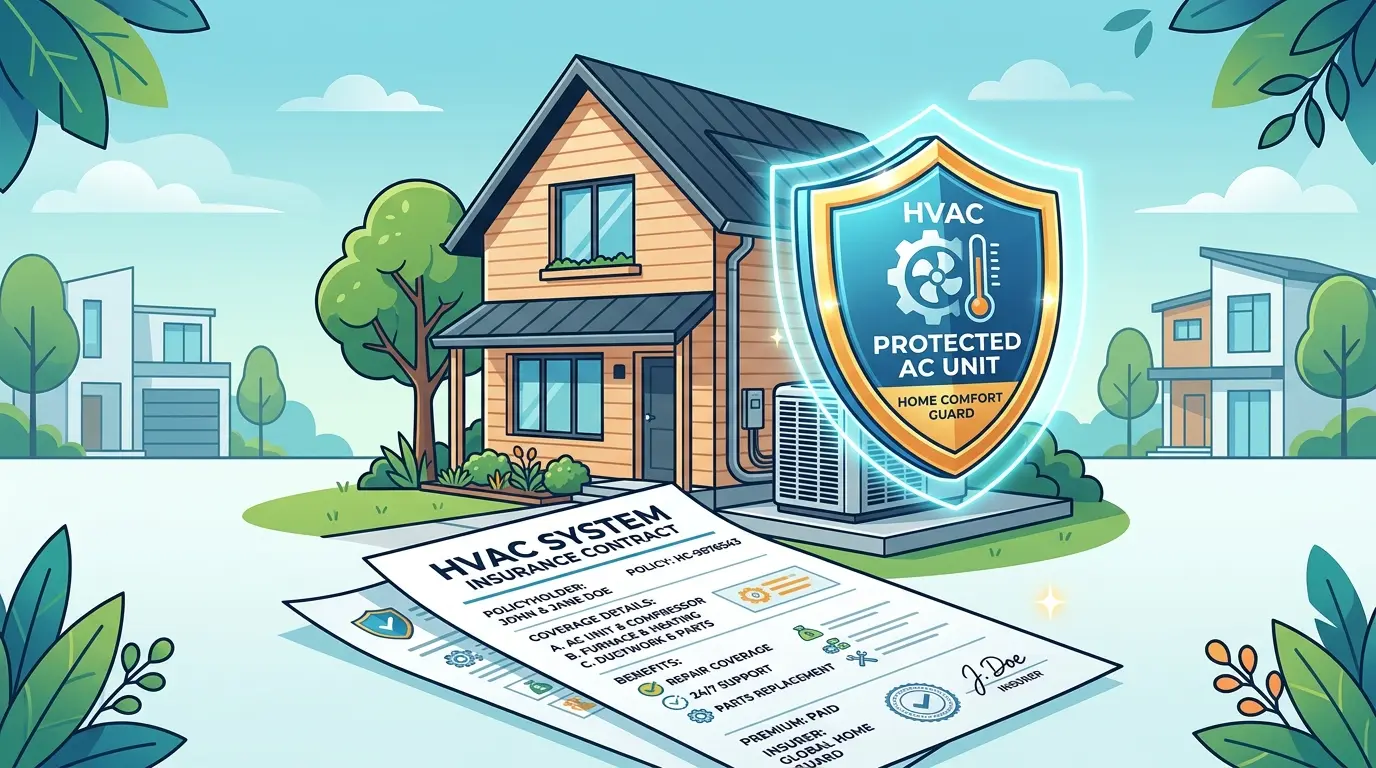
When asking does home warranty cover hvac, the answer is generally yes, but with significant stipulations. A standard home warranty covers the repair or replacement of heating, ventilation, and air conditioning systems if the failure occurs due to normal wear and tear. However, warranty providers strictly enforce payout caps, which typically range from $1,500 to $3,000 per year. If your system requires total replacement, which often exceeds $6,000, you will be responsible for the remaining balance out of pocket.
Understanding the intricacies of your specific contract is vital. Many homeowners assume a warranty serves as a blanket guarantee for their mechanical systems. This assumption leads to frustration when a compressor seizes in the middle of July and the warranty company only offers a fraction of the replacement cost. Furthermore, warranty providers require proof of regular maintenance. If you cannot provide service records demonstrating adherence to manufacturer guidelines, your claim will likely face immediate denial. Navigating the fine print requires diligence and a clear understanding of what constitutes a valid mechanical failure versus negligence.
Do home warranties cover hvac repairs and maintenance?
To fully grasp how these service contracts operate, we must examine the distinction between routine repairs and complete system failures. When analyzing do home warranties cover hvac issues, the primary focus of the warranty company is always on repairing the existing unit rather than replacing it. Warranty providers employ networks of contracted technicians trained to find the most cost effective solution to restore functionality and keep their own operational costs low.
For example, if your air conditioner stops blowing cold air due to a faulty capacitor, a failing blower motor, or a defective contactor, the warranty company will dispatch a technician to your home. You will pay a predetermined service fee, usually between $75 and $125 depending on your specific contract terms, and the warranty covers the cost of the parts and labor required to complete the repair. A typical variable speed blower motor replacement might cost $800 out of pocket without coverage, making the warranty highly beneficial in this specific repair scenario.
However, routine preventative maintenance is explicitly excluded from standard home warranty contracts. Homeowners remain fully responsible for changing air filters, cleaning outdoor condenser coils, clearing condensate drain lines, and scheduling annual professional inspections. The Air Conditioning Contractors of America (ACCA) strongly recommends yearly preventative maintenance for both heating and cooling systems to maintain efficiency, ensure safe operation, and prolong the equipment lifespan. Neglecting these basic responsibilities provides the warranty company with undeniable grounds to deny future repair claims.
If a technician determines that a mechanical failure resulted from a severely clogged filter restricting airflow and subsequently burning out the furnace limit switch, the warranty provider will classify this as a lack of maintenance rather than normal wear and tear. Consequently, the homeowner bears the full financial burden of the repair, turning what could have been a $75 service call into a $400 out of pocket expense. Documenting your maintenance history is the only reliable defense against these types of claim denials.
Will home warranty replace hvac systems completely?
Homeowners facing catastrophic system failures often ask will home warranty replace hvac units entirely. The reality is highly nuanced and heavily dependent on economics. A warranty provider will authorize a full replacement only when a repair is physically impossible or economically irrational for them to pursue. Common scenarios triggering a total replacement include a completely cracked furnace heat exchanger posing a carbon monoxide risk, or a seized air conditioning compressor on a unit utilizing obsolete R-22 refrigerant that can no longer be legally sourced or repaired cost effectively.
Even when a replacement is authorized, the financial structure of the warranty rarely covers the total installation cost. Most home warranty policies contain specific, unyielding coverage limits for HVAC systems. A standard policy might cap heating and cooling payouts at $2,000 per contract term. According to data from the Department of Energy (DOE), installing a new central air conditioning system and natural gas furnace averages between $6,500 and $10,000 depending on the region, equipment capacity, and installation complexity.
If your authorized replacement costs $8,500 and your warranty cap is strictly set at $2,000, you must pay the remaining $6,500 directly to the installing contractor. Furthermore, warranty companies only cover the primary functioning equipment. They frequently exclude all secondary costs associated with structural modifications, ductwork repairs, disposal of the old unit, crane fees, and mandatory code upgrades. If the local municipality requires new electrical disconnect boxes, specialized mounting pads, or a specific type of emergency drain pan to pass building codes, these expenses fall entirely on the homeowner.
It is also essential to differentiate between warranty coverage and homeowners hazard insurance. For a detailed breakdown of how hazard insurance applies to mechanical systems, you can review our guide on does home insurance cover hvac. Generally, insurance covers sudden damage from accidental events like house fires, lightning strikes, or fallen trees, while warranties strictly handle internal mechanical degradation over time.
Coverage Comparisons and Financial Realities
To provide a clearer picture of how home warranties operate financially, consider the following comparison table detailing standard warranty coverage versus out of pocket expenses for major heating and cooling events. These numbers reflect average national costs and typical contract structures.
| HVAC Event | Average Total Cost | Typical Warranty Contribution | Homeowner Out of Pocket |
|---|---|---|---|
| Dual Run Capacitor Replacement | $250 | $150 (Cost minus service fee) | $100 (Service fee) |
| Evaporator Coil Leak Repair | $2,200 | $1,800 (Subject to refrigerant limits) | $400 (Service fee + uncovered refrigerant) |
| Full System Replacement (3 Ton) | $8,500 | $2,500 (Maximum policy limit cap) | $6,000 (Remaining balance) |
| Ductwork Modification and Sealing | $1,500 | $0 (Almost universally excluded) | $1,500 |
Common Reasons for Claim Denials
Homeowners must navigate a rigid set of rules to successfully execute an HVAC claim. Warranty companies operate on strict profit margins and meticulously scrutinize every service call for potential policy violations. Understanding the most common reasons for claim denial can help you protect your investment and avoid unexpected bills.
- Pre Existing Conditions: If a dispatched technician determines that the mechanical issue existed before the warranty contract officially took effect, the claim is entirely void. This scenario frequently impacts homebuyers who purchase a house with a failing furnace and attempt to file a claim during their first month of residency.
- Improper Installation Practices: If the original contractor improperly sized the equipment or failed to follow local building codes during installation, the warranty provider accepts zero liability. The ACCA provides strict Manual J load calculation standards, and drastically oversized or undersized units will suffer premature wear that warranty contracts refuse to cover.
- Lack of Maintenance Records: As emphasized previously, you must prove that you have proactively maintained the equipment. The Environmental Protection Agency (EPA) advises homeowners to inspect and change filters every one to three months. If your evaporator coil freezes into a solid block of ice due to excessive dust restricting airflow, the warranty company will reject the service ticket.
- Secondary Property Damage: Warranties generally cover the failed mechanical part itself but explicitly exclude the collateral damage caused by the failure. If an air conditioner condensate drain line severely clogs and water floods your ceiling, the warranty might cover the labor to clear the drain line, but they will not pay a single dollar toward the necessary drywall repairs or mold remediation.
Maximizing the Value of Your Policy
Despite the inherent limitations, a home warranty provides substantial value when managed strategically and thoughtfully. The core strategy to leveraging the policy effectively lies in relentless documentation and selecting the right coverage tier. Whenever you schedule a professional preventative tune up, demand a detailed digital invoice and retain it in a dedicated file. Having three to five years of perfect maintenance records forces the warranty company to honor their contractual commitment when a major component eventually fails.
When initially selecting a warranty policy, carefully review the specific dollar amount allocated to the heating and cooling category. Upgrading from a basic plan to a premium tier might cost an additional $150 to $250 per year but could drastically increase your HVAC payout cap from $1,500 to $3,500 or more. This premium upgrade pays for itself immediately during a major compressor failure or furnace replacement.
Furthermore, understand the regulatory environment governing replacement parts and systems. The Department of Energy regularly updates regional efficiency standards to promote energy conservation. Currently, southern states require a strict minimum of 15 SEER for all new split system air conditioners. If your old 10 SEER unit fails catastrophically, the warranty company must replace it with a legally compliant 15 SEER unit. However, they will invariably attempt to charge you for the associated compliance upgrades, such as resizing the indoor coil to accurately match the physical dimensions of the new outdoor unit. Knowing the ENERGY STAR guidelines and federal regulations empowers you to push back against unreasonable out of pocket charges during a covered replacement scenario.
Ultimately, a home warranty functions more like a targeted discount program for major mechanical repairs rather than a magic wand for complete, free system replacement. By setting realistic expectations, maintaining rigorous and documented service logs, and carefully selecting a plan with high payout caps, you can significantly reduce the financial sting of unexpected mechanical failures. Relying on verified data from government organizations like ENERGY.GOV and the EPA ensures you make educated, financially sound decisions regarding your residential climate control investments.
Try Our Life Cycle Cost Calculator
Compare warranty coverage value vs out-of-pocket replacement.
Open Life Cycle Cost Calculator →