How to Clean HVAC Coils, Ducts & Outdoor Units (DIY Guide)
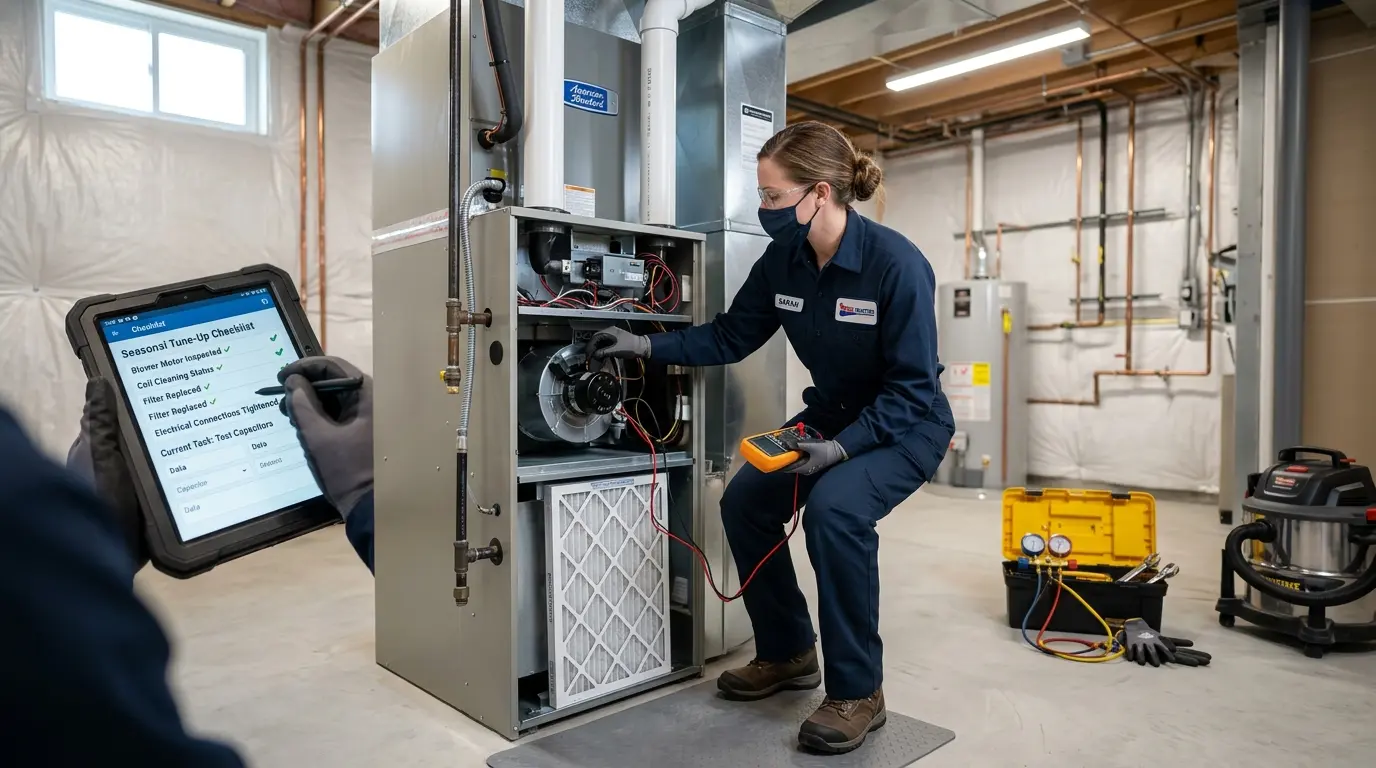
Wondering how to clean hvac coils safely and effectively? Start by turning off the power at the main electrical breaker. Remove the access panel on your indoor evaporator unit to expose the coils. Use a soft nylon brush to gently whisk away loose dust, then apply a commercial no-rinse foaming coil cleaner directly onto the aluminum fins. Allow the foam to lift the dirt and drip safely into the condensate drain pan. According to ENERGY STAR guidelines, this straightforward maintenance task can improve your system cooling efficiency by up to 15 percent.
For a broader approach to keeping your equipment running at peak performance all year long, read our comprehensive HVAC maintenance guide. Taking care of your heating and cooling equipment extends the lifespan of the hardware and prevents unexpected breakdowns during the hottest and coldest months of the year. Regular upkeep is the most reliable way to secure your financial investment in your home comfort system.
How to clean an hvac system
Understanding how to clean an hvac system properly requires breaking the process down into manageable steps across the indoor and outdoor components. A complete residential central air system circulates air through a series of filters, blower motors, evaporator coils, and ductwork. When dirt accumulates on any of these surfaces, the blower motor must work harder to push air through the resistance. This increased workload translates directly to higher monthly utility bills and accelerated wear and tear on expensive moving parts.
The Department of Energy (DOE) emphasizes that replacing a dirty, clogged filter with a clean one can lower your air conditioner energy consumption by 5 to 15 percent. Your first step in cleaning the system is always addressing the air filter. You should inspect the filter every 30 days and replace it at least every 90 days. Once the filter is clean, you can move on to the evaporator coils located inside the air handler. Carefully unscrew the sheet metal panel covering the A-coil assembly. Since the fins are incredibly fragile and easily bent, you must brush them parallel to their direction using minimal pressure.
The Air Conditioning Contractors of America (ACCA) recommends treating the indoor coil with a specialized foaming agent designed specifically for indoor evaporator use. These foaming cleaners do not require manual rinsing because the natural condensation generated by the air conditioner during operation will wash the dissolved dirt down into the drain pan. If your system relies on a heat pump that runs heavily in the winter, you may need to apply a light water mist from a spray bottle to simulate condensation if the unit is operating in heating mode.
How to clean outside hvac unit
Learning how to clean outside hvac unit components is arguably the most critical DIY task for homeowners preparing for the summer cooling season. The outdoor unit, known as the condenser, sits entirely exposed to the elements. Throughout the year, it gathers fallen leaves, grass clippings, pollen, dirt, and cottonwood seeds. These materials form an insulating blanket over the aluminum fins, severely restricting airflow and trapping heat inside the system. The DOE warns that a dirty condenser coil can force the compressor to consume up to 30 percent more electricity.
Begin by shutting off the electrical disconnect switch located in the metal box mounted on the exterior wall near the unit. Next, use a standard wet/dry vacuum equipped with a soft brush attachment to remove heavy debris from the exterior fins. Carefully unscrew the top grille and fan motor assembly, setting it aside without stretching the attached electrical wires. Reach inside the empty condenser cabinet to scoop out any accumulated leaves or sludge resting at the bottom of the metal pan.
Once the heavy debris is gone, apply a heavy-duty outdoor foaming coil cleaner to the exterior fins. Let the chemical sit for 10 to 15 minutes to break down stubborn grime. Finally, use a standard garden hose with a gentle spray nozzle to rinse the coils from the inside out. Directing water from the inside pushes the trapped dirt back out the way it came. Never use a high-pressure power washer on your air conditioner because the intense water pressure will immediately flatten the delicate fins and destroy the unit.
How to clean hvac ducts yourself and how do you clean hvac ducts
Many homeowners wonder how to clean hvac ducts yourself and ask exactly how do you clean hvac ducts safely without damaging the flexible lines hidden in the attic or crawlspace. The Environmental Protection Agency (EPA) notes that full system duct cleaning is generally only necessary if there is visible mold growth, evidence of a severe rodent infestation, or a massive release of dust due to home renovations. However, performing surface-level cleaning at the registers and vents is an excellent preventative measure that you can complete over a single weekend.
Start by turning off the blower fan at the thermostat. Go to each room and remove the metal or plastic supply registers from the floor, walls, or ceiling. Take these covers outside or to a utility sink and wash them thoroughly with warm water and a mild dish detergent. While the covers are drying, insert the hose of a powerful shop vacuum into the exposed ductwork. Push the hose in as far as it will comfortably reach to extract pet hair, small toys, and accumulated dust bunnies.
Use a damp microfiber cloth to wipe down the interior metal collar of the duct just behind the wall opening. Do not attempt to force rigid tools deep into the ductwork. Modern residential systems often utilize flexible insulated ducts that can easily tear if punctured by a stiff brush or sharp vacuum attachment. A torn duct in a hot attic will leak massive amounts of conditioned air, instantly negating any efficiency gains you achieved by cleaning the system.
How to unclog hvac drain line
Knowing how to unclog hvac drain line blockages will save you from catastrophic water damage and expensive home repairs. When the indoor evaporator coil removes humidity from the air, the resulting water drips into a pan and flows outside through a white PVC pipe. Because this water is cool and sits in a dark environment, algae and mold frequently grow inside the narrow pipe. A complete blockage can cause the primary drain pan to overflow, spilling 5 to 10 gallons of water per day directly onto your drywall or flooring.
If your system suddenly shuts off or you notice water pooling near the indoor unit, the drain line is likely the culprit. Locate the exterior termination point of the PVC pipe, which is usually situated near the outdoor condenser. Attach the nozzle of a wet/dry vacuum tightly to the end of the pipe. You can wrap a wet rag around the connection point to create a stronger suction seal. Turn the vacuum on for 3 to 5 minutes to aggressively suck out the biological sludge and standing water.
Once the line is clear, return to the indoor air handler and locate the T-shaped access vent on the drain pipe. Remove the PVC cap and slowly pour 1 cup of distilled white vinegar down the pipe. The acetic acid in the vinegar safely kills remaining algae spores and prevents them from returning. Avoid using concentrated household bleach, as the harsh chemicals can degrade the PVC cement joints and release toxic fumes into your home air supply. Repeat this preventative vinegar treatment every 90 days to maintain clear drainage.
Do it yourself hvac maintenance schedule
Engaging in do it yourself hvac maintenance is highly rewarding and financially sensible, provided you understand the boundaries of homeowner repairs. Attempting to handle electrical capacitors or refrigerant handling without a license is dangerous and illegal under EPA section 608 regulations. You must stick to tasks that involve basic airflow management, filter replacements, and surface cleaning.
To help you organize your seasonal efforts, review the comparison table below which outlines the tasks you can safely perform versus the tasks that require a certified technician.
| Maintenance Task | Do It Yourself (DIY) | Professional Required |
|---|---|---|
| Replacing standard 1-inch air filters | Yes (Every 30 to 90 days) | No |
| Washing outdoor condenser coils | Yes (Annually in the spring) | No |
| Checking and adjusting refrigerant charge | No | Yes (EPA certification required) |
| Clearing clogged condensate drain lines | Yes (Using wet/dry vacuum and vinegar) | No |
| Testing electrical capacitors and relays | No | Yes (High voltage risk) |
Adhering to these strict guidelines ensures your personal safety while maximizing the operational efficiency of your home cooling system. The EPA has conducted extensive studies proving that properly maintained equipment operates significantly closer to its original factory specifications than neglected equipment. Regular do it yourself hvac care translates into fewer repair calls, better indoor air quality, and consistent comfort throughout the seasons.
Try Our Coil Performance Calculator
Evaluate heat transfer efficiency on clean vs dirty coils.
Open Coil Performance Calculator →