HVAC Filter Replacement: How Often & Where It's Located
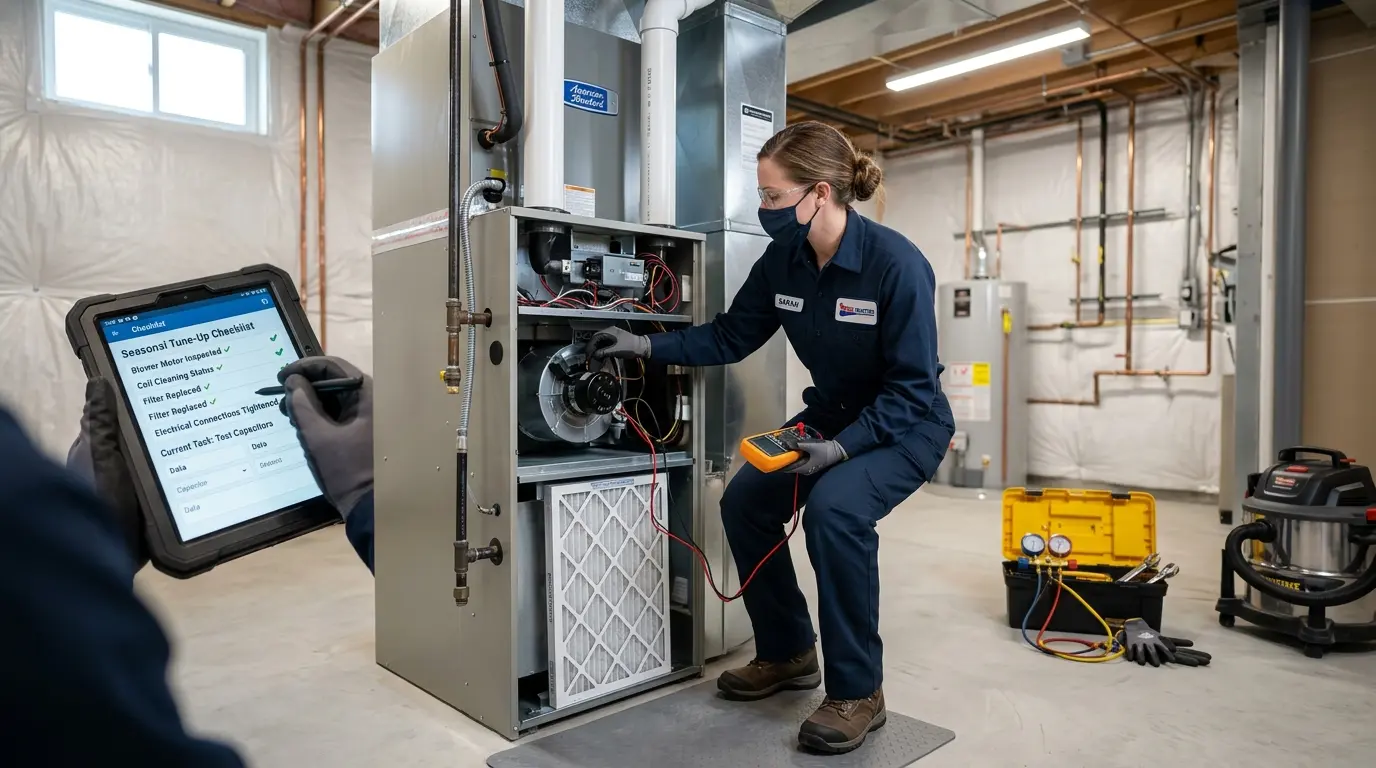
Wondering exactly how often to change hvac filter components to maintain optimal performance? The Department of Energy (ENERGY.GOV) dictates that you must replace your HVAC filter every 30 to 90 days. If you have multiple pets, severe allergies, or run your system constantly during peak summer months, you will need to change it every 30 days. Consistent and regular replacement reduces cooling and heating energy consumption by 5 to 15 percent while preventing expensive mechanical failures and extending the lifespan of your unit.
How Often Should I Change My HVAC Filter?
Many homeowners ask how often should i change my hvac filter to keep their air conditioning and heating systems running smoothly. As a baseline rule, a standard 1 inch fiberglass filter requires replacement every 30 days. Pleated filters that are 2 inches thick can typically last up to 90 days. However, these are general guidelines. The EPA recommends checking your filter once a month. Hold the filter up to a light source. If you cannot see light passing through the material, it is time for a replacement.
How Often Should HVAC Filters Be Changed Based on Household Factors?
The exact schedule for how often should hvac filters be changed depends heavily on your specific living situation. A single occupant without pets might stretch a high quality filter to 90 days. A family of four with two dogs and one cat will generate significantly more airborne particulates, requiring a strict 30 day replacement cycle.
| Household Condition | Recommended Replacement Frequency | Filter Type (Thickness) |
|---|---|---|
| Vacation home or single occupant | Every 90 to 180 days | 1 to 2 inches |
| Average suburban home without pets | Every 90 days | 1 to 2 inches |
| Home with one pet | Every 60 days | 1 to 2 inches |
| Home with multiple pets or allergy sufferers | Every 30 to 45 days | 1 inch |
| Homes with whole house filtration | Every 6 to 12 months | 4 to 5 inches |
Keeping a strict schedule is a critical part of a comprehensive HVAC maintenance routine. The ACCA notes that dirty filters are the leading cause of system breakdowns because they restrict airflow, causing the blower motor to overwork and potentially overheat.
Where Is the HVAC Filter Located?
Knowing where is the hvac filter located saves you time and frustration during your monthly maintenance checks. Most centralized systems have the filter positioned in the return air duct or blower compartment before the air reaches the air handler. This strategic placement ensures that the air is cleaned before it passes over the sensitive evaporator coils. If dust and debris bypass the filter and coat the coils, the system loses its heat transfer efficiency, leading to increased utility bills and potential coil freezing.
Where Are HVAC Filters Located in Different Systems?
Depending on the architectural design of your home and the specific brand of your heating and cooling equipment, where are hvac filters located will vary. In upflow furnaces typically found in basements, the filter rests in a slide out rack located at the bottom or side of the unit. For horizontal units installed in attics, the filter slides into a slot on the return air side of the equipment. Basement systems usually feature a prominent metal slot with a removable cover.
In homes with multiple return vents, you might find smaller filters located directly behind the return grilles mounted on the walls or ceilings. These return vent filters are common in properties situated in the southern United States where the primary air handler is housed in a tight attic space. Always verify the physical location before purchasing replacement materials.
Where Is My HVAC Filter and How Can I Find It?
If you have recently moved into a new home and find yourself asking where is my hvac filter, start your search at the main indoor unit. Look for a V shaped metal casing or a dedicated filter cabinet situated between the main return duct and the blower housing. You might see a metal door measuring 1 inch to 5 inches wide. If the primary unit does not have a filter cabinet, walk through your hallways and living spaces. Look for large louvered grilles on the ceiling or high up on the wall. Undo the latches on these grilles, and the filter will be resting inside the frame. ENERGY STAR guidelines advise homeowners to map out their filter locations to ensure no return vent is neglected during routine replacement cycles.
Where and How Many HVAC Air Filters in House?
A frequent question among first time homeowners is where and how many hvac air filters in house they need to track. The answer depends on your ductwork configuration. A standard central air system typically uses a single primary filter located at the main air handler. However, if your home features multiple return air registers spread across different floors or zones, you could have three to five separate filters. You must check every single return vent. If you have a primary filter at the air handler, do not install secondary filters at the return grilles. The Department of Energy cautions that doubling up on filters creates excessive static pressure, which stifles airflow and forces the blower motor to consume significantly more electricity.
Which Way Does Air Filter Go In HVAC?
Installing your new filter incorrectly can damage your system. Which way does air filter go in hvac is a crucial detail that many people overlook. Every disposable HVAC filter features a printed arrow on its cardboard frame. This arrow indicates the direction of airflow. You must point the arrow toward the main HVAC unit and away from the return air duct. The blower pulls air from your house, through the duct, and into the unit. Therefore, the arrow must point toward the blower motor. If you install the filter backward, the air pressure will fight against the structural support of the filter material. This can cause the filter media to collapse, get sucked into the blower wheel, and cause catastrophic damage to the mechanical components.
Can All HVAC AC Hand a MERV 8 Filter?
Homeowners seeking better indoor air quality frequently ask can all hvac ac hand a merv 8 filter. The Minimum Efficiency Reporting Value measures how effectively a filter traps microscopic particles. Most residential HVAC systems manufactured within the last 15 years can safely accommodate a MERV 8 filter without suffering significant airflow restriction. A MERV 8 rating provides an excellent balance by capturing pollen, dust mites, and mold spores while allowing the blower to circulate air freely.
However, attempting to use a MERV 13 or higher filter in an older system designed for basic fiberglass filters can cause severe problems. High MERV filters consist of dense woven fibers that create high static pressure. According to ACCA manual D guidelines, if the static pressure exceeds the design limitations of the blower, the air conditioner will suffer from frozen evaporator coils, and the furnace heat exchanger may overheat and crack. If you wish to upgrade to a filtration level above MERV 8, consult a licensed technician to measure your system static pressure first.
| MERV Rating | Particle Capture Efficiency | System Compatibility |
|---|---|---|
| MERV 1 to 4 | Low (Captures large dust and lint) | Universally compatible with all systems |
| MERV 5 to 8 | Moderate (Captures pollen and mold spores) | Compatible with most modern residential systems |
| MERV 9 to 12 | High (Captures pet dander and auto emissions) | Requires verification of blower motor capacity |
| MERV 13 to 16 | Very High (Captures bacteria and smoke) | Often requires ductwork modifications and ECM motors |
How to Replace HVAC Filter Step by Step
Learning how to replace hvac filter components is a simple process that requires no specialized tools. Follow these steps to ensure a safe and proper installation every time you perform your monthly maintenance.
- Turn off the power: Always switch off your heating and cooling system at the thermostat before attempting a filter swap. This prevents the blower from turning on and pulling loose debris or the filter itself into the machinery.
- Locate the filter cabinet: Find the access panel on your air handler or locate the return air grilles on your ceilings and walls.
- Remove the old filter: Slide the dirty filter out of its slot. Immediately place it into a plastic trash bag to prevent dust from shaking loose and dispersing back into your home environment.
- Check the dimensions: Verify that your new replacement filter matches the exact length, width, and thickness printed on the cardboard frame of the old filter. A typical size might read 16x25x1 inches.
- Identify the airflow arrow: Look at the edges of the new filter to find the directional arrow.
- Insert the new filter: Slide the new filter into the slot, ensuring the arrow points toward the main HVAC unit. The filter should fit snugly without being crushed or bent.
- Secure the access panel: Close the metal door or latch the return grille securely. A loose panel will cause the system to draw in unfiltered air from the surrounding attic or basement.
- Restore power: Turn the thermostat back to your preferred setting. Monitor the system for a few minutes to ensure it runs quietly and pushes strong airflow out of the supply registers.
By keeping track of your maintenance dates and using the correct filter types, you protect the mechanical integrity of your heating and cooling equipment. Establishing a regular routine prevents premature wear and tear on blower motors and ensures maximum energy efficiency year round.
Try Our CFM Airflow Calculator
Calculate required air volume delivery through clean filters.
Open CFM Airflow Calculator →