HVAC Static Pressure Explained: How to Measure & Calculate It
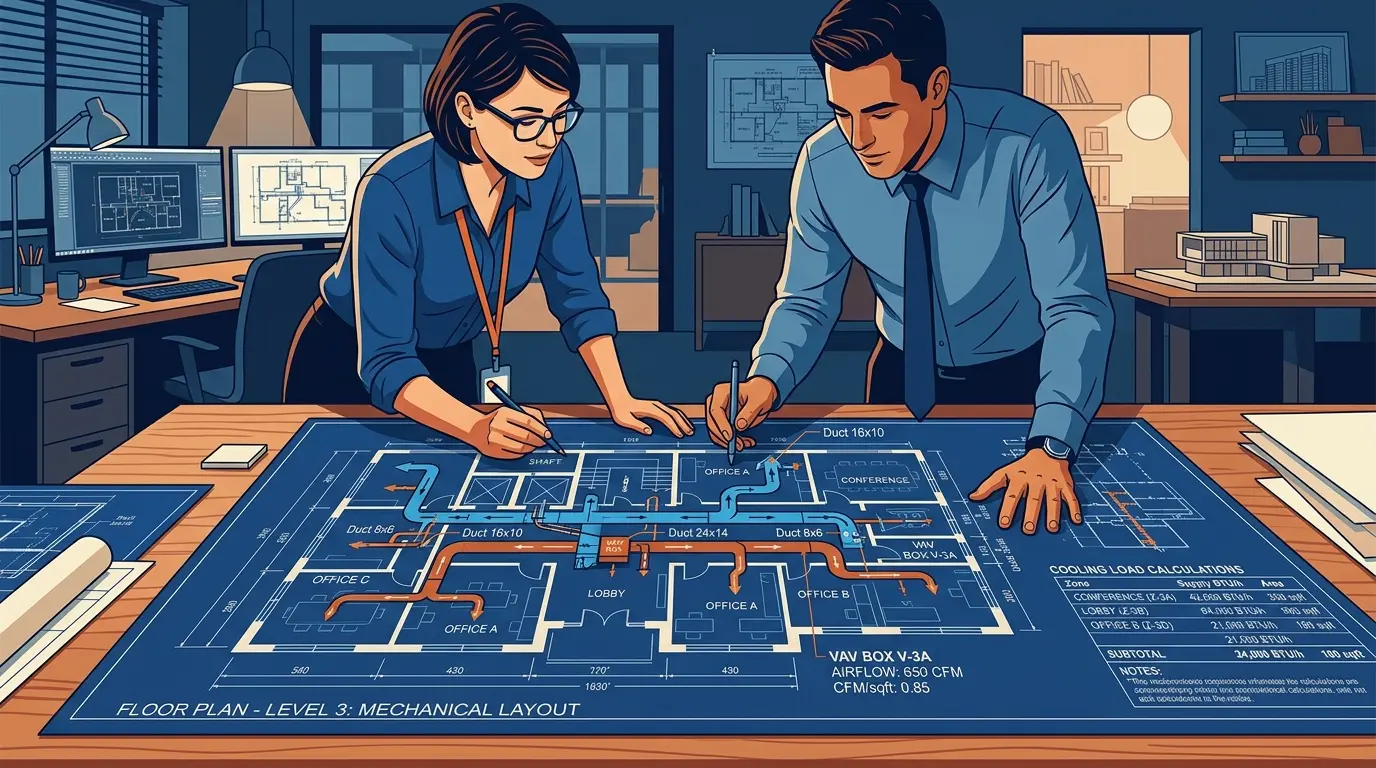
When asking what is static pressure in hvac, you are inquiring about the resistance to airflow within your heating and cooling ductwork. Static pressure is the force that the air exerts against the walls of the ducts as the blower fan pushes it through the system. A perfectly balanced system maintains an optimal static pressure, ensuring that conditioned air reaches every room efficiently while protecting the blower motor from excessive strain and preventing premature mechanical failure. You can think of static pressure like blood pressure for your home comfort system; too high or too low, and the entire system suffers.
Understanding the dynamics of airflow is critical for any homeowner who wants to maintain a comfortable living environment and keep energy bills low. The Department of Energy (DOE) and the Air Conditioning Contractors of America (ACCA) emphasize that incorrect static pressure is a leading cause of comfort issues and equipment breakdowns. If the static pressure is too high, the blower motor works too hard, potentially burning out and driving up electricity costs significantly. If it is too low, the air will not reach the furthest rooms in the layout, leaving you sweating in the summer and freezing in the winter. Addressing these pressure imbalances can extend the lifespan of your equipment by up to 30 percent while drastically improving indoor comfort.
How to Measure Static Pressure HVAC
Learning how to measure static pressure hvac systems generate is a vital diagnostic skill for technicians and ambitious homeowners. To perform this measurement, you need a specialized digital manometer or an analog magnehelic gauge, along with static pressure tips and rubber tubing. The measurement is taken in inches of water column (in. w.c.), which is a standard unit for small pressure differences used throughout the mechanical engineering industry.
The process begins by drilling small test holes in the ductwork housing. One hole is carefully drilled in the supply plenum, located after the blower and the air conditioning coil but before the ductwork branches out into the house. The second test hole is drilled in the return plenum, situated just before the air filter and the blower motor compartment. By inserting the static pressure tips into these holes and reading the manometer, you capture the total external static pressure (TESP). The ACCA recommends that residential systems typically operate between 0.5 and 0.8 in. w.c. depending on the specific equipment installed.
For instance, if your manometer reads 0.3 in. w.c. on the supply side and 0.4 in. w.c. on the return side, the total external static pressure adds up to exactly 0.7 in. w.c. It is vital to consult the manufacturer specifications located on the blower door panel to see if this measurement falls within the acceptable operating range. When pressure exceeds 1.0 in. w.c., the system is essentially suffocating. This severe restriction often points to blocked air filters, drastically undersized ducts, or heavily soiled evaporator coils that require immediate chemical cleaning.
How to Calculate Static Pressure in HVAC System
Knowing how to calculate static pressure in hvac system designs is absolutely essential before installing new ductwork or upgrading major equipment. The calculation involves adding up the pressure drops of all the individual components that the air must flow through. This comprehensive list includes the air filter, the evaporator coil, the ductwork itself, the supply registers, and the return grilles. Each single component creates a specific amount of friction and resistance that must be accounted for during the design phase.
To calculate the available static pressure for the ductwork, you start with the maximum total external static pressure rated for the specific blower fan. Then, you subtract the pressure drops of all installed components. For example, if a blower is rated for a maximum of 0.50 in. w.c., and you install a high-efficiency HEPA filter that creates a 0.20 in. w.c. pressure drop, along with an evaporator coil that creates a 0.15 in. w.c. drop, you only have 0.15 in. w.c. remaining for the supply and return ductwork combined. You can learn more about the basic operation of these internal components in our detailed guide on how a heating and cooling system works.
| Component | Typical Pressure Drop (in. w.c.) | Impact on Total Static Pressure |
|---|---|---|
| Standard 1-inch Fiberglass Air Filter | 0.10 to 0.15 | Minimal impact but allows dust buildup on coils |
| High-Efficiency 4-inch Pleated Filter | 0.15 to 0.25 | Moderate impact requires a stronger blower motor |
| Indoor Evaporator Coil (Wet) | 0.15 to 0.30 | Significant continuous drop that increases as dirt accumulates |
| Supply Registers and Diffusers | 0.03 to 0.05 | Small individual impact but adds up rapidly across multiple rooms |
Accurate and detailed calculations ensure that the ductwork is sized correctly to handle the required airflow volume without exceeding the remaining static pressure allowance. If the ductwork is undersized by even a fraction of an inch in diameter, the pressure will skyrocket, leading to noisy, whistling vents and greatly reduced cooling efficiency. For further information on properly sizing equipment for your specific floor plan, consult our sizing guidelines.
What Are Dampers in HVAC
When investigating poor airflow issues, many homeowners naturally ask what are dampers in hvac and exactly how they affect static pressure. Dampers are movable metal plates or valves located within the interior of the ductwork that regulate and redirect the flow of conditioned air. They act exactly like traffic cops for your heating and cooling system, forcing air to go where it is needed most and strictly restricting it from areas that require less conditioning at a given time.
There are several common types of dampers used in residential properties today. Manual dampers are adjusted by hand using a small metal lever situated on the outside of the duct. They are typically set once or twice per season to balance the airflow between the upper and lower floors of a multi-story home. Motorized dampers are wired directly into a sophisticated zoning control panel and open or close automatically based on the precise demands of multiple thermostats scattered throughout the house. Fire and smoke dampers are critical safety devices designed to close automatically to prevent the rapid spread of flames or toxic gases through the ductwork during an emergency situation.
The physical position of these dampers directly influences static pressure readings. Closing a damper increases the resistance in that specific branch of the ductwork, which effectively pushes more air to other open branches but also raises the overall pressure in the main supply trunk. If too many dampers are closed simultaneously, the static pressure can easily exceed safe operating limits, causing the evaporator coil to freeze solid or forcing the blower motor to overheat and trip electrical breakers.
How to Adjust HVAC Dampers
Knowing how to adjust hvac dampers properly is a practical and cost-effective way to manage room temperatures and keep static pressure perfectly balanced. The ultimate goal of adjusting dampers is to achieve even, consistent temperatures throughout the entire house without causing excessive backpressure on the sensitive blower fan. This process is professionally known as air balancing.
Start by locating the manual dampers on the main supply trunks near the central air handler unit in the basement or attic. These dampers usually feature a wing nut and a small metal handle. The handle acts as a visual indicator of the position of the internal blade. When the handle is perfectly parallel to the run of the duct, the damper is fully open. When it is turned perpendicular, the damper is fully closed and blocking air.
To balance the system for summer cooling months, you generally want to push significantly more cold air to the upper floors because heat naturally rises. Partially close the dampers leading to the basement and first floor, and fully open the dampers leading directly to the second floor. Turn the wing nut tightly to lock the handle in place once adjusted. Wait 24 to 48 hours for the interior temperatures to fully stabilize, and use accurate digital thermometers in different rooms to check your progress. Avoid closing any single damper more than 50 percent, as shutting them completely can cause severe static pressure spikes that damage duct seams. The Environmental Protection Agency (EPA) explicitly advises that proper air balancing can drastically reduce energy consumption and improve indoor air quality by ensuring adequate ventilation reaches every corner of the structure.
What Is a Return Register in HVAC/AC
To fully comprehend static pressure dynamics, you must understand the return side of the system and answer the critical question: what is a return register in hvac/ac setups? A return register, commonly known as a return grille, is the louvered vent that actively pulls air out of a room and sends it back to the central air handler to be filtered, heated, or cooled again. While supply registers vigorously blow hot or cold air into a room, return registers silently suck the stale air back into the machinery.
Return registers are completely critical for maintaining a neutral pressure balance within individual rooms behind closed doors. If a bedroom has a supply register pumping in air but no return register to pull it out, closing the bedroom door will cause the room to become highly pressurized. The conditioned air will visibly struggle to enter the room against this pressure barrier, and the excess air will be forced outside through tiny cracks around windows and exterior walls. Conversely, the central system will be starved for incoming air, causing the return static pressure to plummet into negative territory and forcing the blower to work harder. This often results in the system drawing in dusty, unconditioned air from attics or crawlspaces to make up the difference.
ENERGY STAR guidelines firmly state that a well-designed duct system should have a dedicated return register installed in every single bedroom and major living area, or at least utilize transfer grilles and jump ducts to allow air to flow seamlessly back to a large central return grille. Keeping return registers completely free of obstructions like large furniture, rugs, or heavy drapes is mandatory for healthy, efficient airflow. Blocking a large central return grille can immediately restrict airflow to the blower by 40 percent or more, doubling the negative static pressure on the return side and potentially causing the expensive compressor unit to fail prematurely.
Ultimately, managing static pressure effectively involves taking a holistic approach to your entire heating and cooling infrastructure. From systematically selecting the right air filters and accurately sizing the metal ductwork to properly adjusting manual dampers and keeping all return registers totally clear of obstructions, every single component plays a pivotal role in the total resistance the blower motor must overcome daily. Performing regular seasonal maintenance and hiring technicians for professional pressure testing can identify hidden restrictions early, saving you substantial money on monthly utility bills and greatly extending the operational lifespan of your valuable mechanical equipment.
Try Our Static Pressure Calculator
Calculate Total External Static Pressure (TESP) for your system.
Open Static Pressure Calculator →